
IEA
International Energy Agency
Topic A: Siting Large-Scale Computing Infrastructure in Water-Stressed Regions
The rapid expansion of artificial intelligence, cloud computing, and automated industry requires thousands of massive data centers operating around the clock. Beyond demanding immense electrical capacity, these facilities consume millions of gallons of water daily through evaporative cooling towers to prevent hardware meltdowns. Crucially, tech developers frequently build in arid, water stressed regions due to cheap land, favorable tax incentives, and abundant solar resources. This creates a zero-sum resource conflict between global digital growth and basic local survival, forcing cooling systems to compete directly with agricultural irrigation and municipal drinking reserves. Delegates must determine how to balance computing innovation with the realities of ecology in mind; additionally, delegates must consider whether the IEA can establish international efficiency standards, resist the competing interests of megatech companies, and mandate infrastructure siting requirements that protect fragile local aquifers from corporate exploitation.
Topic B: Allocating the Cost of Grid Expansion Between Industry and Households
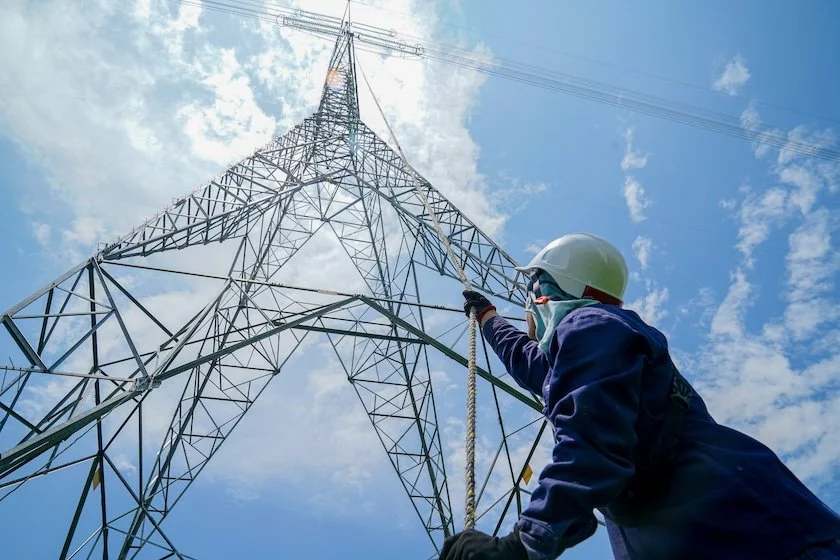
Decarbonizing the global economy requires a massive, multi-trillion dollar overhaul of electrical grids to integrate renewable generation, electric transport, and energy intensive manufacturing. However, building thousands of miles of high-voltage transmission lines and modernizing substations presents a precarious financial issue: who foots the bill? When utilities pass capital costs directly onto consumer rate bases, residential households face skyrocketing electricity costs that disproportionately burden low-income families with severe energy poverty. Conversely, if governments force emerging and heavy power users to foot the entire bill, companies may cut output, stall renewable decarbonization projects, or offshore operations to places with more lax regulations. The IEA must construct equitable financing and tariff frameworks or modern power grids. Delegates must balance industrial competitiveness against consumer affordability, deciding how to structure public-private financing, direct industrial connection fees, and state subsidies without derailing the clean energy transition.