
WTO
World Trade Organization
In 1995, the World Trade Organization (WTO) was created as a successor to the United Nations’ General Agreement on Tariffs and Trade, acting as a forum for governments to negotiate and administer rules on international trade. Through councils, committees, and conferences, the WTO’s member countries work to establish policies regulating the trade of goods and services, such as subsidies, tariffs, and other rules regarding cross-border commerce. Decisions are reached by consensus, requiring extensive compromise as countries balance their often conflicting economic interests. The WTO also reviews national trade policies and allows members to challenge measures which violate WTO agreements. However, the WTO lacks the power to directly enforce their policies and cannot unilaterally punish offending states or rewrite domestic laws. As a result, the organization relies on voluntary compliance from members and the imposition of sanctions and other retaliatory measures to ensure enforcement of their rules. Its authority primarily arises from the details of agreements accepted by members, therefore, the committee must approach the mediation of trade disputes with nuance. To create novel and effective solutions, members must carefully balance existing internal obligations, the institutional limits of the organization, and the socioeconomic and political influence of major trading powers.
Topic A: Managing Export Controls on Critical Materials
Topic A is Managing Export Controls on Critical MaterialsCritical materials are substances considered by governments to be essential to energy technologies, national security, and economic development. They include rare earth minerals, resources like lithium and cobalt, and manufactured inputs such as semiconductors. Because the production and processing of critical materials are concentrated in a relatively small number of countries, they are often at high risk of supply chain disruptions from political disputes, natural disasters, and other events, affecting the global economy. Governments may use tactics like export bans, quotas, licensing requirements, and taxes to address these risks. Priorities like preserving domestic supplies, responding to shortages, or keeping these materials from reaching political rivals. While these controls protect national interests, they may raise prices, violate prior international trade commitments, or create conflicts between importing and exporting nations. Establishing regulatory policies requires consideration of potential threats to national defense, the effect of state sovereignty, existing trade tensions, and distribution equality of these critical materials.
Topic B: Preventing Disruptions to Global Shipping Checkpoints
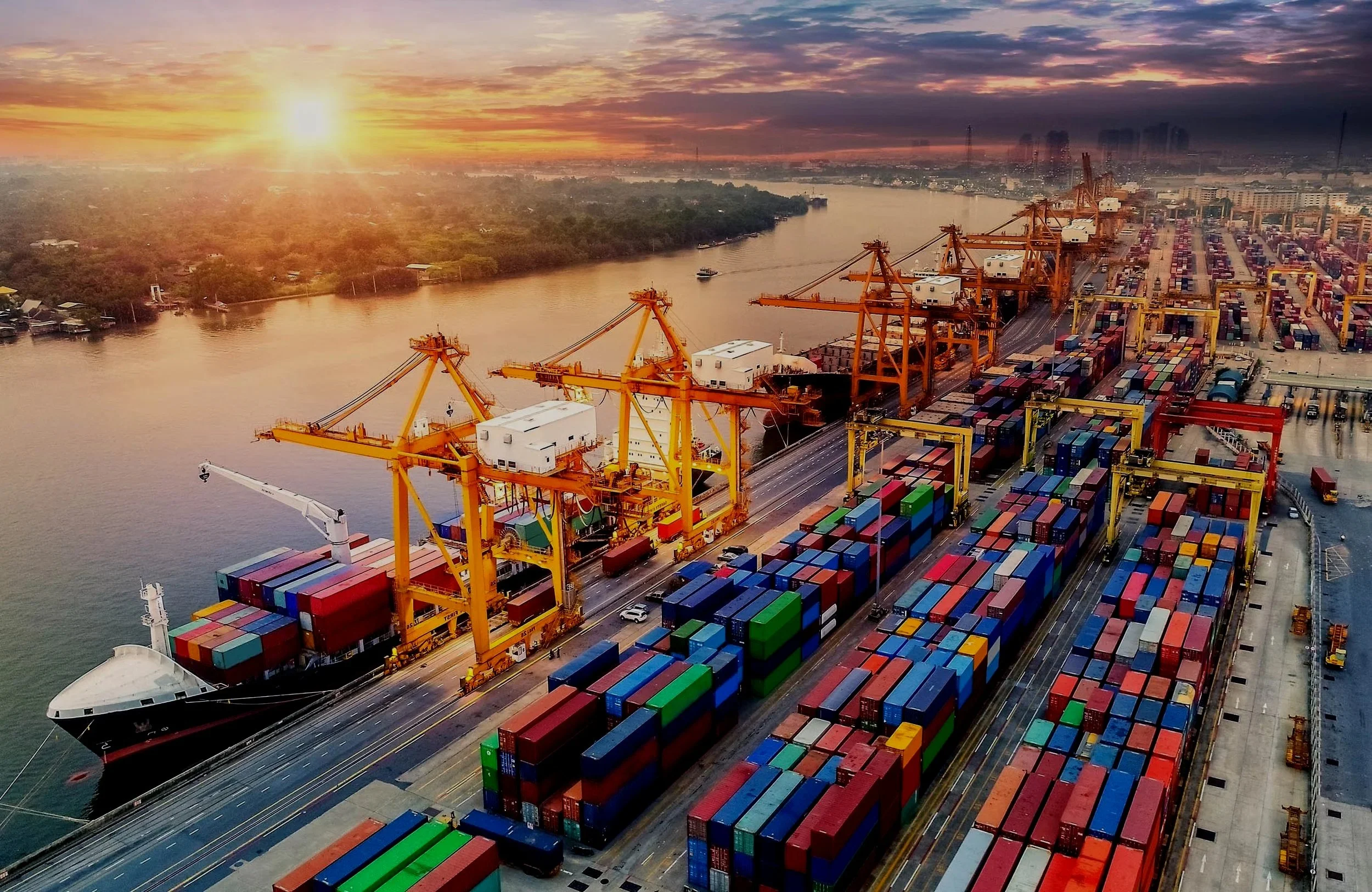
Topic B is Preventing Disruptions to Global Shipping Checkpoints. Global trade relies heavily on a small number of narrow waterways and major ports through which enormous quantities of fuel, food, raw materials, and other goods pass each day. Certain strategic shipping checkpoints, like the Suez and Panama Canals or the Straits of Hormuz and Malacca, can easily become restricted by armed conflict, piracy, political interference, or even extreme weather events, creating bottlenecks which choke the movement of important materials. Shipping companies organize their complex routes around predicted delivery times, meaning that even temporary closures of these locations result in massive congestion, product shortages, and increasing prices of goods for consumers. Climate change and geopolitical competition present a new set of risks due to potential interference from droughts, storms, or deliberate military actions. Redirection through alternative waterways often means dealing with longer travel times or an inability to accommodate large spikes in traffic volume. This topic explores the potential consequences of these shipping vulnerabilities on trade and the responsibilities of international stakeholders to solve them.